Challenger Brands aren’t usually built to blend in. They question category conventions. Take sharper positions. Try things bigger competitors might avoid. Sometimes they even make a few people uncomfortable, and that’s part of what gets them noticed.
But there’s a difference between making noise and creating a mess you’ll spend the next six months cleaning up. That’s where reputation management comes in. Done well, it isn’t about sanding off every edge until your brand becomes completely inoffensive. It’s about understanding what people are saying, protecting the trust you’ve earned and knowing when to respond, when to listen and when to stand your ground.
A Challenger Brand without a point of view isn’t much of a challenger. But one without a reputation strategy can become memorable for all the wrong reasons.
Brand reputation management is the ongoing process of monitoring, protecting and influencing how customers, employees and the broader public perceive your company. Online, that includes everything from search results and online reviews to social media conversations, news coverage, creator content and what AI tools say when someone asks about you.
Those touchpoints add up. BrightLocal’s 2026 Local Consumer Review Survey found that the average consumer uses six different review sites when choosing businesses. People are assembling an impression from multiple places, which is why online reputation management goes well beyond keeping an eye on Google.
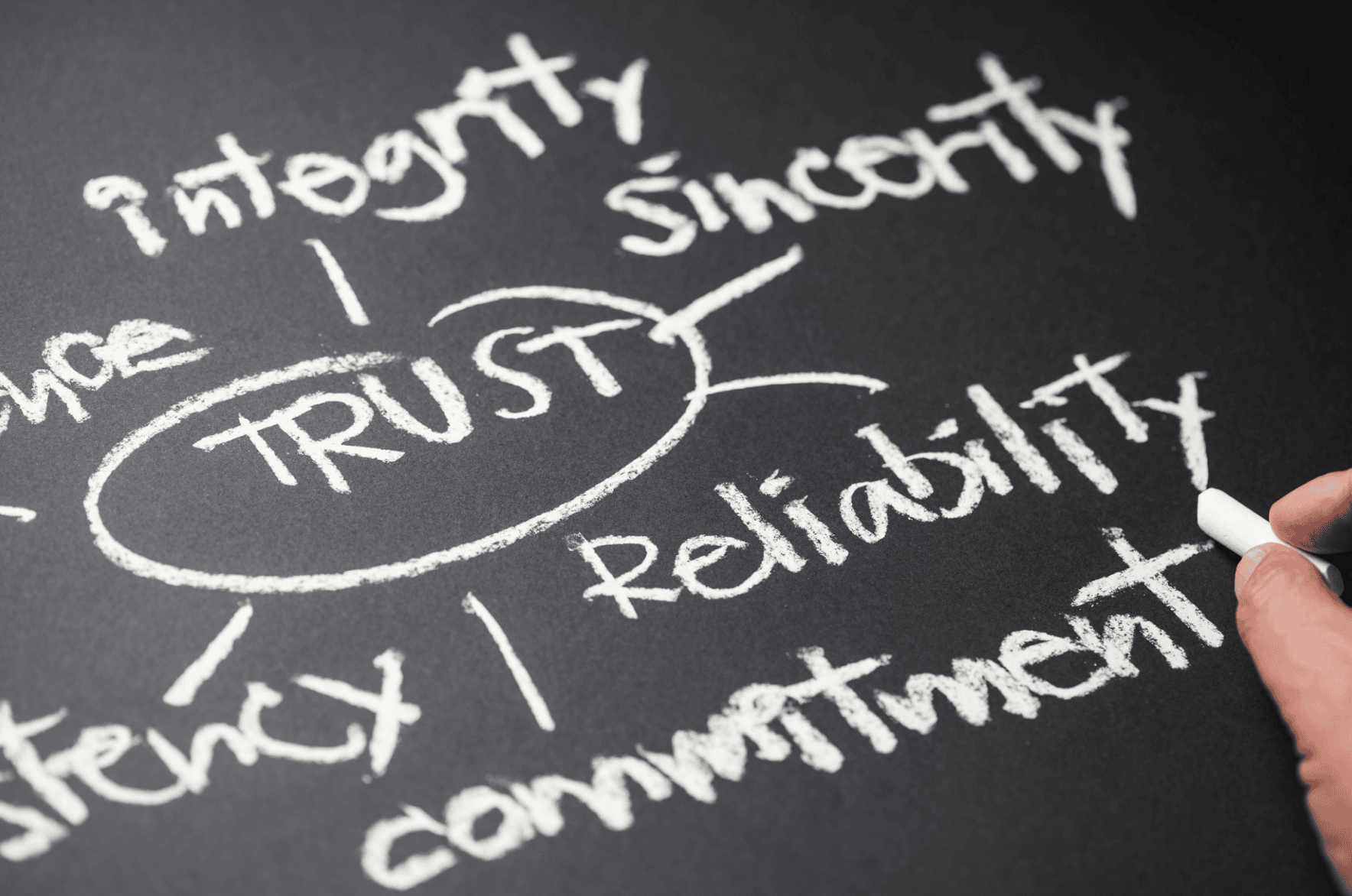
The stakes are real. Edelman’s 2026 Trust Barometer Special Report on brands found that 88% of people say trusting a brand is a critical purchase criterion, on par with quality and value. Brand trust and reputation aren’t soft metrics. They’re part of the buying decision.
For Challenger Brands especially, this distinction matters. A provocative campaign might attract criticism and still strengthen the brand with the audience it was built for. A viral campaign, on the other hand, can generate millions of impressions while exposing a genuine problem with the customer experience. Not all negative attention is a crisis, and not all positive attention is good for the brand.
Effective brand image management starts with knowing what you’re willing to stand for. If every negative comment sends the organization scrambling, your brand will eventually stop having a point of view at all. Before responding, ask:
That distinction can save a Challenger Brand from confusing discomfort with damage. Challenger Brands shouldn’t measure reputation by whether everyone likes them. They should measure whether the right people understand them, trust them and believe they deliver on what they promise.
If you’re wondering how to manage your online reputation, start by listening. You shouldn’t discover a reputation problem when somebody screenshots it into the company Slack.
Good reputation monitoring covers review platforms, social mentions, news coverage, search results and customer service feedback. Reputation management tools and social listening platforms can centralize those conversations, but they’re only useful if someone acts on what they find. One frustrated customer may be an isolated issue. Twenty customers mentioning the same problem points to something operational.
Digital reputation management now includes AI search as well. Edelman’s 2026 report advises brands to make their proof points discoverable in LLM-driven search. That means your reputation is increasingly shaped not only by what people find when they search your name, but by what AI tools surface when they’re asked about you.
No business enjoys a one-star review. The instinct may be to defend yourself immediately or explain everything the reviewer got wrong. Resist it.
Google’s own guidance recommends keeping replies professional and polite. It also advises making them positive and relevant while keeping them short and simple. When it comes to how to respond to negative reviews, a few best practices go a long way:
Remember, you’re not only responding to the reviewer. You’re writing for every potential customer who finds that exchange six months from now.
A thoughtful review management strategy also means keeping every review authentic. Google considers offering incentives in exchange for reviews to be fake and misleading content and strictly prohibits it.
A critical comment and a PR crisis are not the same thing. A crisis threatens something bigger: customer safety, business continuity, leadership credibility or the integrity of the brand itself. When one happens, speed matters, but speed without facts can make things worse.
Strong PR crisis management starts before the crisis. Know who needs to be involved, who has authority to speak and which channels you’ll use. When something does go wrong, negative publicity management comes down to discipline: get the facts, coordinate internally and communicate what you know. Don’t speculate about what you don’t. Correct misinformation when necessary and keep updating people as the situation develops.
Most importantly, don’t let legal language turn a human situation into corporate mush. People can tell when a statement has been engineered to say absolutely nothing.
Employees shape your reputation every day. They interact with customers, talk about their jobs, post on social media and either recommend the company or don’t. That’s why employee advocacy and reputation are so closely connected.
You can’t manufacture authentic advocacy with a stack of prewritten LinkedIn posts. It grows when employees understand what the brand stands for and actually experience those values inside the organization. For Challenger Brands, that matters even more. You can’t build an external reputation around being bold, human or different if the internal experience tells a completely different story. If you want credible brand advocates, give them something worth advocating for.
When trust has genuinely been damaged, there’s no magic piece of reputation repair content that makes everything disappear. If customer service is failing, improve it. If a product issue keeps appearing in reviews, investigate it. If your company made a mistake, acknowledge it and show what has changed.
Reputation isn’t repaired when you say you’ve changed. It’s repaired when people can see it.
The best reputation management strategies don’t make brands quieter. They make them better prepared. For a small business, that might mean an owner keeping an eye on reviews and a few well-placed alerts. For a larger corporate brand, it may mean dedicated staff, monitoring technology and outside reputation management services. The scale changes. The principle doesn’t.
Attention comes quickly these days. Trust takes longer. That’s why reputation management for Challenger Brands isn’t about avoiding risk. It’s about building brand trust strong enough to take the right risks without putting everything you’ve earned on the line.
Know what you stand for. Listen closely. Own genuine mistakes. Respond like a human. And don’t let a handful of loud voices talk you out of the thing that makes your brand worth noticing.
At Commit, we believe Challenger Brands should make noise. Just make sure what people hear is something worth remembering.


